The Zhou Lab

for Food Materials and Nanotechnology

We explore sustainable food proteins, investigate their fundamental mechanisms and interactions with bioactive molecules, and design novel food structure. Our mission is to advance future functional foods for the benefit of human health and well-being.

Our Previous Research

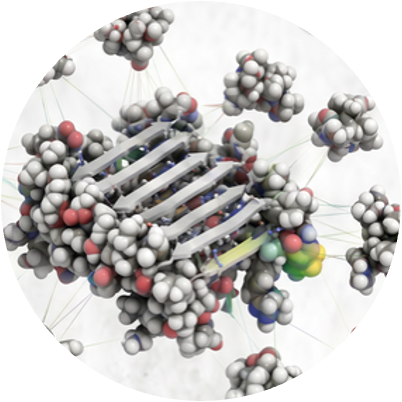
Our team particularly focus on the natural sustainable proteins, and investigate the fundamental mechanisms including protein self-assembling into nanofibrils, their structures and functional properties, and interactions with other bioactives. Besides, we are also interested in natural biopolymers including polysaccharide, cellulose and silk-fibroin.

We utilize the unique the protein nanofibrils and other nanostructures to develop food materials and hydrocolloids for various applications across functional foods, nutrition delivery, biomedical materials, and other functional materials.

Highlights

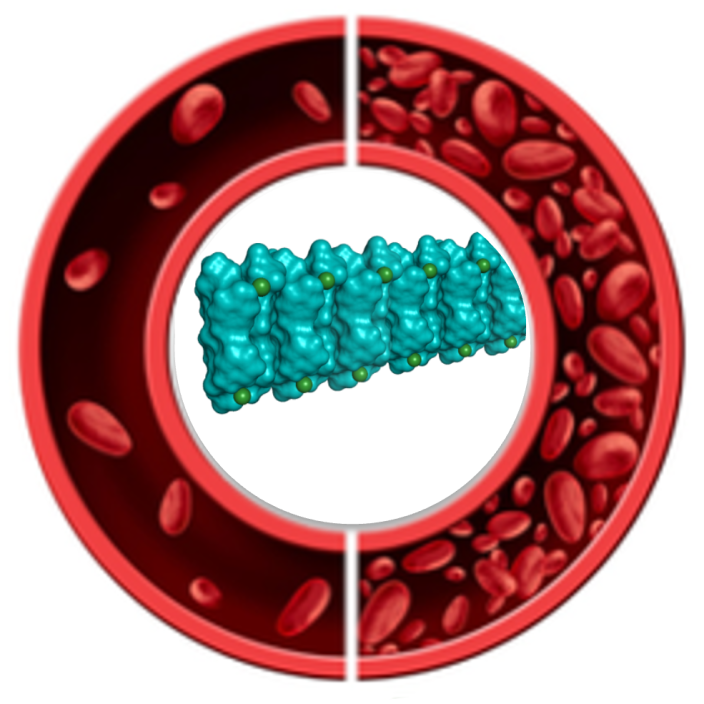
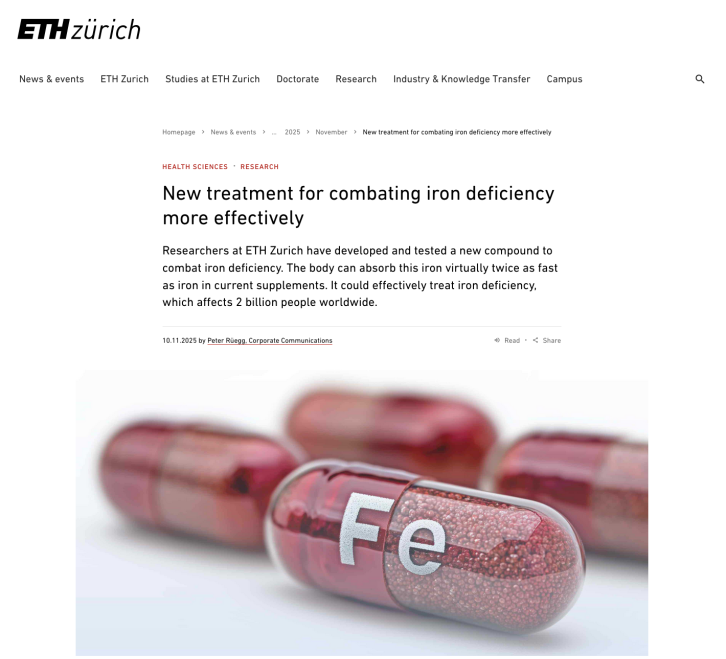
Our work on oat protein nanofibril - iron hybrids for conbating iron-deficiency anemia was reported by ETH News.
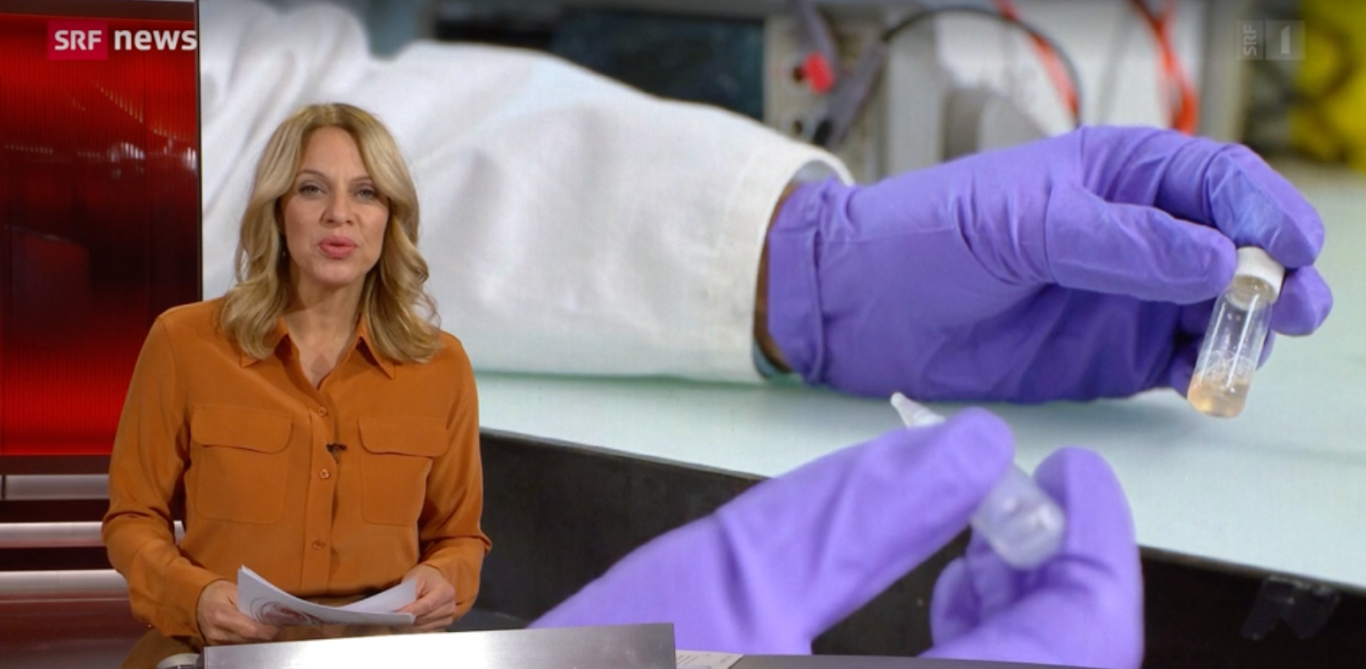
Our work on oat protein nanofibril - iron hybrids for conbating iron-deficiency anemia was covered by SRF News (Swiss Radio and Television news).

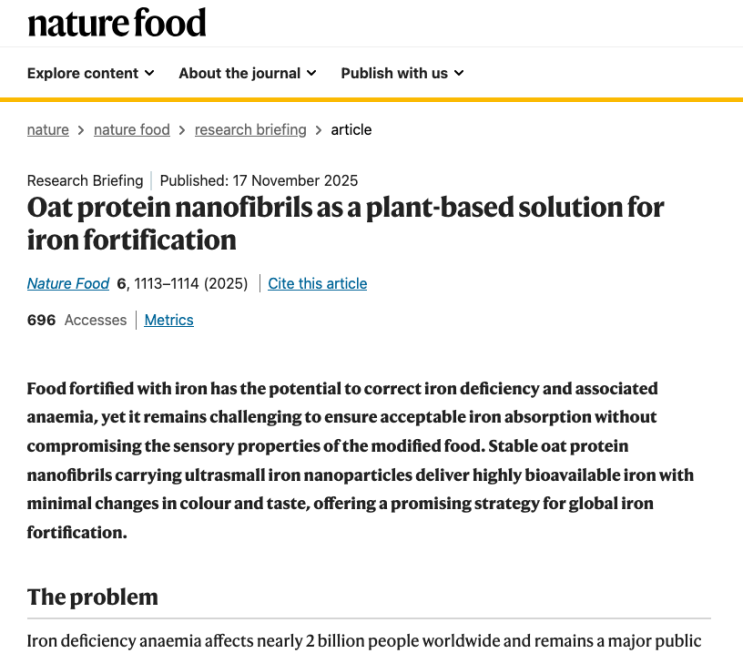
Our work on oat protein nanofibril - iron hybrids for conbating iron-deficiency anemia reported by Nature Food Research Briefing.

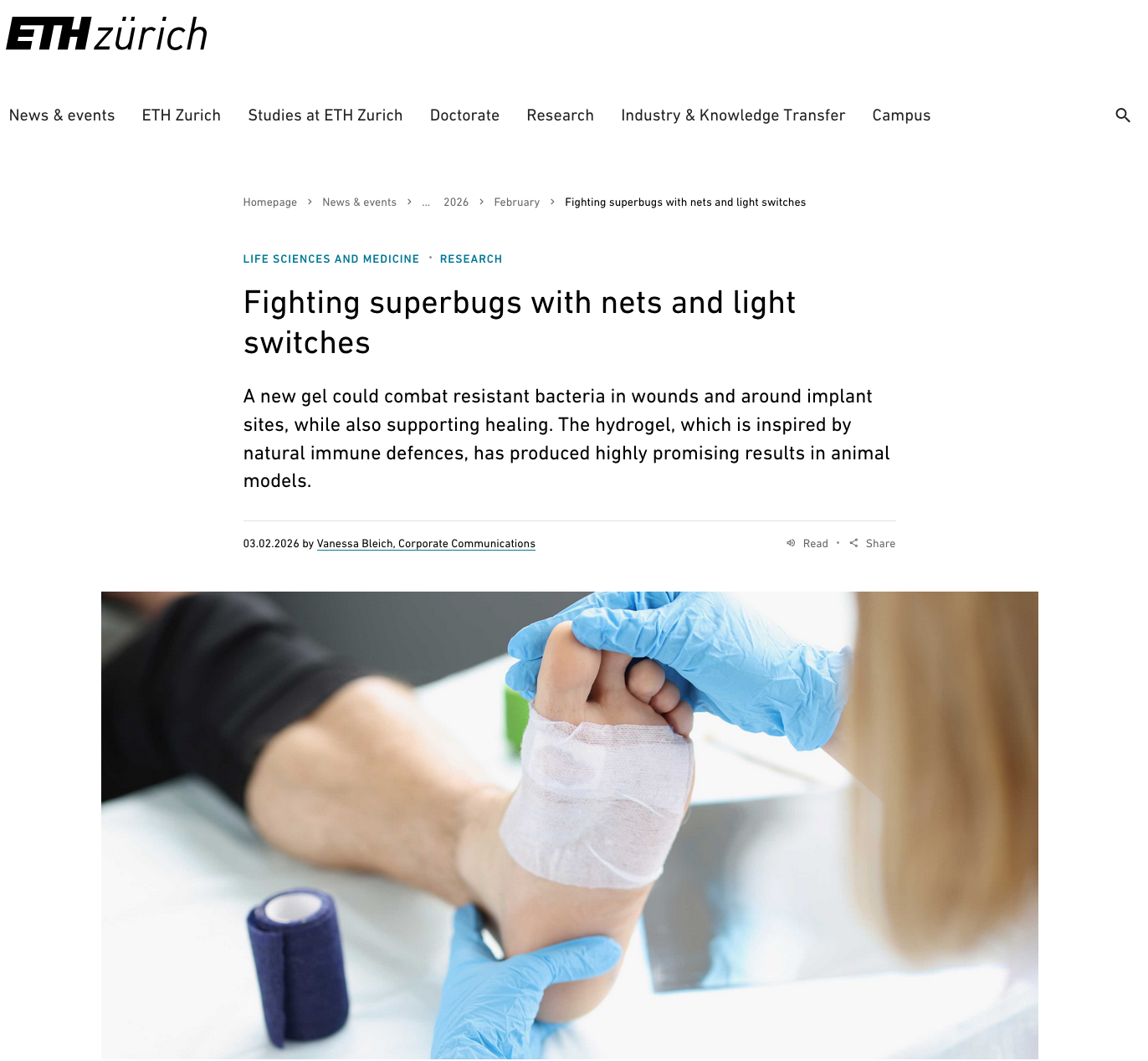
Our work on egg-drived lysozyme nanofibril hydrogel for antibacterial and wound healing reported by ETH News.


Featured Publications

Full list see Publications, Google Scholar and ORCID

  1. J. Zhou, S. Gowachirapant, C. Zender, A. Wieczorek, J. Guth, I. Kutzli, S. Siol, F. Meyenn, M. Zimmermann*, R. Mezzenga*. Oat protein nanofibril-iron hybrids offer a stable, high-absorption iron delivery platform for iron fortification. Nature Food, 2025. [DOI] [ETH News]

  2. L. Frey, J. Zhou‡,*. G. Cereghetti, M. Emanuel, D. Rhyner, A. Pokharna, L. Wenchel, H. Kadavath, M. Weber, Y. Cao, B. Meier, M. Peter, J. Greenwald, R. Riek*, R. Mezzenga*. A structural rationale for reversible vs irreversible amyloid fibril formation from a single protein. Nature Communications 15(1), 1-11, 2024. ( denotes co-first author and * denotes co-corresponding author)

  3. J. Zhou, A. Salvatore, M. Tatli, J. Tian, I. Illie, E. Starostin, A. Calflisch, T. Knowles, G. Dietler, F. Ruggeri, H. Stahlberg, S. Sekatskii, R. Mezzenga*. The role of inter-protofilament interaction in the formation mechanism of hierarchically twisted protein nanofibrils. Advanced Science 11(32), 2402740, 2024.

  4. J. Zhou‡,*, C. Liao‡,*, M. Villalba, C. Xiong, Cong. Zhao, L. Venturelli, D. Liu, A. Kohler, S. Sekatskii, G. Dietler, Y. Wang*, S. Kasas*. An optical fiber-based nanomotion sensor for rapid antibiotic and antifungal susceptibility test. Nano Letters 24 (10), 2980-2988, 2024.  (Cover Paper).

  5. D. Xu, J. Zhou‡,*, W. Soon, I. Kutzli, A. Moliere, M. Radiom, S. Handschin, B. Li, L. Li, C. Ewald and R. Mezzenga*. Food protein amyloids are safe intergrades for human nutrition Food Amyloid Fibrils as Safe Nutrition Ingredients: In-vitro and In-vivo Assessment. Nature Communications 14(1) 6806, 2023 (co-first author, co-corresponding author).

  6. J. Zhou, T. Li, M. Peydayesh, M. Usuelli, V. Bueno, J. Teng, L. Wang and R. Mezzenga*. Oat plant amyloids for sustainable functional materials. Advanced Science 9(4), 2104445, 2022. (Cover Paper)

Interested in joining our lab ?

We are recruiting for postdocs and talented PhD students.

We are always welcoming visiting scholars and self-funded postdoc/students.

Please send your CV and the names of three references to Dr. Jiangtao Zhou (jtzhou@nus.edu.sg)